
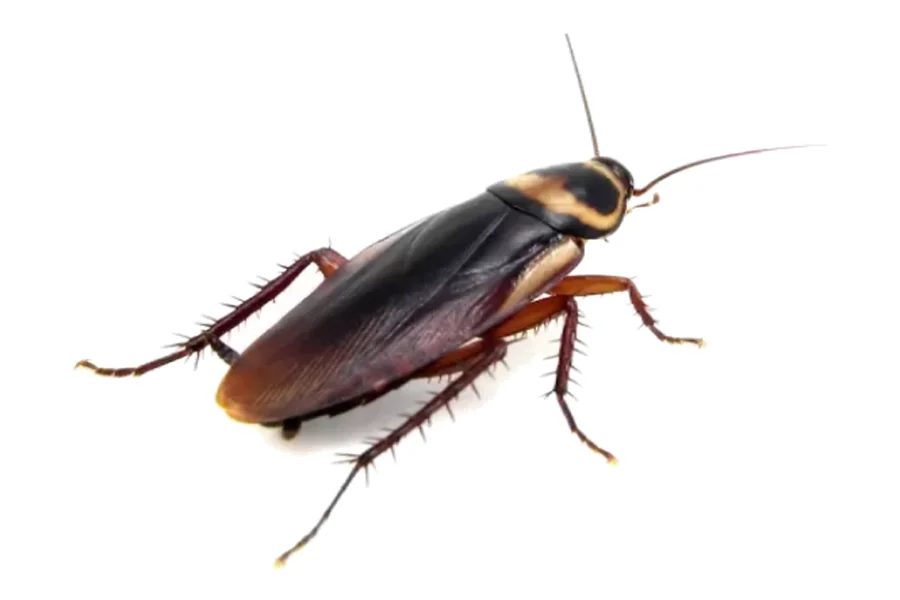
Rainy season changes the rhythm of daily life in Cayman. Roads stay wet, patios stay damp longer, bins start to smell faster, and the drains seem busier than usual. Then, almost out of nowhere, cockroaches start turning up by the kitchen sink, in the laundry room, around a bathroom drain, or by the back door.
For a lot of homeowners this is maddening, because the house isn’t dirty at all. The counters are clean, the floors are swept, the bins were emptied a day ago. So why the sudden roaches?
The answer usually isn’t poor cleaning. During Cayman’s rainy season the weather itself creates exactly the conditions cockroaches thrive in, and once those conditions line up, a small roach problem can become a much bigger one quickly.
Rain Doesn’t Create Roaches — It Moves Them
Cockroaches already live in plenty of outdoor and hidden spots around homes and commercial properties: near drains and sewers, along garden edges, around rubbish areas, in wall gaps, storage rooms, outdoor kitchens, and damp structures.
A Cayman home can offer all of these, especially where there are small gaps around doors, pipes, vents, windows, or utility areas. That’s why a large roach can appear after a night of rain and seem to have come from nowhere — in most cases it was already close by, and the rain simply pushed it to move.
Why Cayman’s Rainy Season Helps Roaches Multiply
Cockroaches don’t need much to survive — a little moisture, a few crumbs, some grease, cardboard, pet food, or a damp cabinet is enough to keep them going. Rainy season makes several of those conditions worse at once.
Moisture becomes easier to find
Roaches are drawn to water. A small leak under the sink, condensation behind the fridge, damp mop storage, wet bathroom corners, or water pooling around outdoor bins can all support activity.
Food waste breaks down faster
Warm, humid air makes rubbish turn faster, so food residue in bins, outdoor trash areas, and kitchen corners becomes more attractive to pests.
Drains turn into high-risk zones
Bathrooms, kitchens, laundry rooms, and floor drains are common roach pathways, and rain can disturb outdoor systems and push roaches toward indoor plumbing routes.
Eggs survive better in warm, damp spaces
Cockroach eggs are protected inside hard egg cases. Warm, humid spaces help them develop faster, so the population can grow before you even realise the problem is spreading.
Where Roaches Hide in Cayman Homes
People tend to picture cockroaches running across the kitchen floor, but by the time they’re out in the open, many have already found shelter. Check these spots first:
- Under kitchen sinks
- Behind refrigerators
- Around dishwashers
- Near washing machines
- Inside lower cabinets
- Pantry corners
- Bathroom drains
- Laundry rooms
- Rubbish storage areas
- Outdoor kitchens and patios
- Around pet bowls
- Behind cardboard boxes
- Near door gaps and pipe openings
When you’re dealing with a roach infestation in Cayman, the roach you can see is usually only part of the story. The real activity is often behind, below, or inside something.
Why DIY Sprays Often Don’t Solve It
A store-bought spray will kill the roach in front of you, and that can feel like the problem’s handled — but it rarely deals with the source.
Roaches shelter in cracks, drains, wall voids, cabinet gaps, appliance spaces, and damp corners. A spray might cut down what you see for a short while, but it won’t fix the moisture source, seal the entry point, clear the hidden shelter, or deal with the egg cases.
Professional roach pest control in Cayman looks at the whole pattern: where the roaches are getting in, what species is present, where they’re hiding, and what conditions are helping them survive.
Rainy Season Can Bring More Than Roaches
Roaches aren’t the only pests that respond to rain — wet weather also pushes rodents toward indoor shelter. The same conditions that draw cockroaches can attract mice and rats:
- Open garbage areas
- Food storage problems
- Gaps around doors or pipes
- Outdoor clutter
- Damp storage rooms
- Easy access to kitchens or pantries
If you’re noticing droppings, scratching sounds, chewed packaging, or activity near food storage, the issue may go beyond roaches — and a rodent treatment in Cayman service may be needed alongside roach control.
When to Call a Roach Exterminator
If the sightings keep coming back, it’s time to stop treating each roach as a separate event. A professional roach exterminator can inspect the property, identify the type of roach, find the hidden activity, and recommend treatment based on the real source rather than the symptom.
That matters most in kitchens, rental properties, restaurants, offices, and hospitality spaces, where roaches can quickly turn into a health and reputation problem.
The Bottom Line
Cockroaches multiply faster when the conditions suit them, and rainy season hands them moisture, movement routes, shelter, and more places to hide. That doesn’t mean every wet week ends in an infestation, but it does mean it’s worth paying closer attention once the sightings start to repeat.
There’s no need to panic over a single roach. But if it’s becoming a pattern, working with a local team like Pestkil — IPM-based and on the island since 1982 — can pin down where the activity is coming from, what’s feeding it, and how to stop it before it becomes a fixture of your rainy season.
