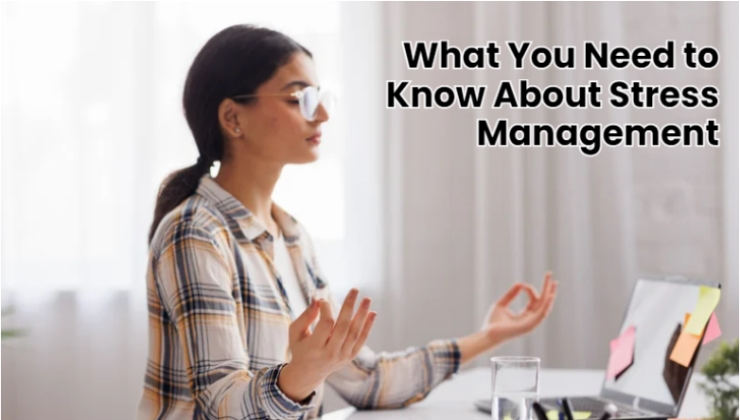
Is stress draining the life out of you, or maybe you wonder how best to keep it at bay? Stress is a common feature in the modern world; this affects our relationship with our bodies and our emotions. Knowing effective ways of managing stress can make a great deal of difference in how challenges are addressed within a balanced life.
So let’s delve into what stress management entails, its importance, and some practical strategies to guide you back to regaining your control and resilience.
Understanding Stress
Stress is the body’s response to challenges or demands placed upon it. When a person feels stressed, it activates the release of hormones like cortisol and adrenaline, which work together to make the human body respond to perceived threats or pressures.
That amount of stress, if short-term, may be adaptive. However, in its chronic form, stress is capable of producing many diseases, which include cardiovascular diseases, anxiety disorders, and major depressive disorder.
How Stress Affects Health
For extended periods, chronic stress can affect nearly all body systems. Physically, it is known to suppress the immune system, increase blood pressure, and cause gastrointestinal disorders. Mentally and emotionally, it leads to mood swings, irritability, and loss of concentration.
In busy cities like New Jersey, the fast-paced lifestyle significantly contributes to chronic stress. The constant rush, demanding work schedules, and crowded environments create an atmosphere where stress levels can quickly escalate. Additionally, high living costs and financial pressures are other major sources of stress in New Jersey. The constant worry about affording housing, healthcare, and education can lead to chronic anxiety and financial strain.
In this context, individuals may turn to addictive behaviors as a coping mechanism for stress. The relentless stress can lead people to seek relief through substance abuse, such as alcohol, drugs, or prescription medications.
Additionally, behaviors like excessive eating, gambling, or internet addiction can become an escape from the pressures of daily life. With the constant stress that goes around the area, many people seek rehabilitation centers new jersey to break through their cycle of addiction. Also, the availability of procedures and materials in New Jersey makes it preferable to go to.
Sources of Stress Identification
Different stressors include environmental (noise, pollution), social, physiological, and psychological. Knowing the sources of stress in your life is the first step toward managing stress.
Effective Stress Management Techniques
Managing stress involves the adoption of mechanisms aimed at minimizing its intensity and frequency. The evidence-based techniques that may help in stress management are as follows:
Mindfulness and Meditation
Meditative practices, including counting meditation and breathing exercises, relax the body and physiologically decrease the stress level. The present moment is characterized by acceptance of what it is; this enables the formation of resilience which allows one to be better armed against stressors.
Regular Physical Activity
Exercise has many advantages for the body and also the mind. This will lower amounts of stress hormones like cortisol while boosting endorphins, which are the natural elevators of mood.
Healthy Eating Habits
A generally healthy diet rich in fruits, vegetables, whole grains, and lean proteins will help in general health and resilience to stress. Limit the intake of caffeine, sugar, and processed foods as much as possible to help balance mood and energy.
Time Management
Bad time management is the cause of major amounts of stress for many. When relevant tasks are prioritized, realistic goals set, and tasks broken into small manageable steps, then there will be more control over work and one will feel less stressed.
Social Support
Emotional support from friends, family, or support groups can reinforce the social component. Emotions can be discussed over the telephone or through visits with friends and family members, thereby allowing for perspective about feelings of distress and diminution of lonely feelings.
Relaxation Techniques
Among the techniques described as possibly calming the mind and the body are progressive muscle relaxation, guided imagery, and aromatherapy. This technique involves a relaxation response-eliciting action on the body in contrast to the tension in the stress response.
Cognitive Behavioral Methods
CBT techniques help to identify and replace negative thoughts and evaluate the beliefs that trigger stress in a person. The reframing of thoughts helps to generate more adaptive coping mechanisms for the stressors.
Good Sleep
It is a prerequisite in dealing with stress and for healthy living. Some of the techniques to get quality sleep and resilience against stress include ensuring a constant frequency of sleep, development of a calming pre-sleep routine, and comfort while sleeping.
Boundary Setting
Learning how to say ‘no’ to excessive demands and setting boundaries regarding self-respect with personal and professional relationships can reduce stress and prevent burnout. It is the case of taking care of one’s self and not over-committing.
Seeking Professional Help
Finally, coping with stress sometimes may require intervention from the mental health professional. Therapies, particularly cognitive-behavioral therapy or such counseling, or stress management workshops can offer extended support and direction.
Applying Stress Management Strategies
Effective stress management implies personal understanding and embedding into everyday life only those methods that work best for you. To achieve effectiveness in reducing levels of stress, Techniques should be applied regularly to effectively reduce stress levels.
Stress-reducing techniques, if dealt with seriously and utilized proactively, can improve life quality in absolutely all dimensions and assist people in diminishing the negative consequences of chronic stress.
The Importance of Stress Management in Different Contexts
Not only is stress management important at an individual level but in several other contexts as well. Some of these are:
Workplace Stress Management
High levels of stress at the workplace result in reduced output, absenteeism, and ‘burned-out’ employees. Employers can put a premium on stress management through employee wellness programs, flexible working hours, and healthy work-life balance incentives.
Student Stress Management
This could be because students are under much pressure to perform well academically. Moreover, other causes of stress may result from social life and time management at school. In these regards, schools and universities can help their students by providing them with counseling services for stress management.
Family and Relationship Stress Management
Stress can impact family and relationship dynamics. Effective communication, resolution tactics, and mutual support are a few strategies for dealing with stress at the family level and building healthy relationships.
How Can Stress Lead to Addiction?
| Stress Factor | Description | Pathway to Addiction |
| Coping Mechanisms | Individuals may seek relief from stress through substances. | Use of alcohol, drugs, or prescription medications as temporary escapes. |
| Behavioral Escapes | Stress can drive people to engage in addictive behaviors. | Excessive eating, gambling, or internet use to avoid stressors. |
| Physical and Emotional Strain | Chronic stress impacts mental and physical health negatively. | Increased susceptibility to using addictive substances for relief. |
| Lack of Self-Care | Stress often leaves little time for healthy coping strategies. | Turning to substances or behaviors that provide immediate comfort. |
| Social and Environmental Factors | Urban stressors like crowded environments and financial strain. | Seeking social acceptance or escape through substance use. |
Conclusion
Therefore, this is a stress management skill that, if learned, will help every one of them. In a nutshell, following the roots of the causes, understanding the effects on health due to stress, and practicing evidence-based stress management would enable the person to boost their resilience and well-being.
One may do so either by following mindfulness practices, regular exercise, healthy food intake, or social support. Taking proactive steps in handling or managing stress is an investment in long-term physical, mental, and emotional health. When individuals learn to deal with and overcome stress effectively, they empower themselves to live resilient and fuller lives.
FAQs
- How does chronic stress affect the body physically?
Chronic stress can suppress the immune system, increase blood pressure, and cause gastrointestinal disorders.
- What are the mental and emotional impacts of prolonged stress?
Prolonged stress can lead to mood swings, irritability, and loss of concentration.
- How does living in a busy city like New Jersey contribute to stress?
The fast-paced lifestyle, constant rush, demanding work schedules, and crowded environments can significantly escalate stress levels.
