
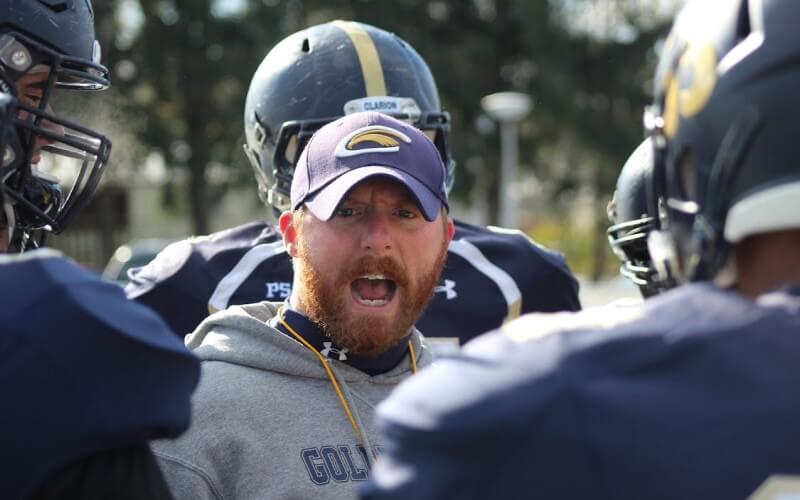
Creating an environment that supports well-being and promotes positive interactions among athletes is essential for any sports program. A nurturing atmosphere improves performance, fosters stronger connections, and boosts overall satisfaction among participants. Coaches play a pivotal role in shaping this environment, and investing in their education can significantly impact how they foster a healthy mindset within their groups.
Here are some tips about how creating a positive team can promote wellness and camaraderie, leading to a more effective and fulfilling experience for everyone involved:
Define Clear Values
Establishing clear values is crucial for any sports program. These principles should reflect a commitment to well-being and positive interactions. Sports coaches should engage their athletes in discussions to determine what values resonate most with the group. Whether it’s respect, teamwork, or perseverance, having a shared understanding of these values sets a strong foundation. It helps athletes feel connected and motivated to uphold the agreed-upon standards, creating an atmosphere of mutual respect and encouragement.
Promote Open Communication
Sports coaches should create an environment where athletes feel comfortable expressing their thoughts and feedback. Open dialogue fosters trust and strengthens relationships. Regular meetings can provide a platform for team members to share ideas and concerns. Coaching professionals can benefit from advanced communication techniques learned through higher education programs, like an online masters in exercise science, which can improve the dynamics within the group.
The program focuses on exercise science to equip coaches with industry-relevant knowledge and communication skills to work successfully with diverse populations, including children, adolescents, adults, and seniors. This focus on communication and interaction can lead to a more supportive and engaged group where everyone feels heard and valued. The training in this course also adds valuable research and statistical software capabilities to their professional skill set, preparing them for advanced certifications or even a doctoral degree.
Encourage Team Bonding Activities
Engaging in bonding activities can significantly strengthen relationships among athletes. Fun and collaborative exercises, such as group challenges or outings, encourage social interactions and build camaraderie. These activities provide a break from the usual training routines and help individuals connect on a personal level. Coaching professionals should regularly plan events that promote collaboration, fostering friendships and a sense of belonging within the group.
Prioritize Mental Well-Being
Recognizing the importance of mental well-being is crucial for any sports program. Coaches should be attuned to signs of stress or anxiety among their athletes. Implementing strategies that promote mental resilience, such as mindfulness practices or stress relief workshops, can be beneficial. Creating an environment where athletes feel safe discussing their mental health challenges leads to a more supportive atmosphere. This focus on mental strength can improve performance and overall satisfaction.
Implement a Wellness Program
Developing a comprehensive wellness program is a proactive way to support athletes’ overall well-being. This program should encompass physical training, nutrition education, and mental health resources. By promoting a balanced lifestyle, Sports coaches can help their athletes understand the importance of maintaining physical and mental fitness. Initiatives such as wellness challenges or workshops can be integrated into training schedules, encouraging participation and creating a sense of unity among the athletes.
Set Realistic Goals
Establishing realistic goals is essential for any sports program. Sports coaches should work with their athletes to set achievable objectives that promote individual growth and group success. Goals should be specific, measurable, and time-bound to provide clear direction. Celebrating small victories along the way boosts morale and fosters a sense of accomplishment. This process encourages athletes to stay motivated and committed to their training, ultimately enhancing performance and satisfaction within the group.
Model Healthy Behaviors
Coaches play a vital role in influencing the behaviors and attitudes of their athletes. By modeling healthy habits, you should set an example for your teams. This includes maintaining a balanced diet, engaging in regular physical activity, and practicing self-care. When coaching professionals prioritize their own well-being, they reinforce the importance of these behaviors for their athletes. This approach helps create an environment where healthy living is valued and encouraged, leading to better overall performance.
Provide Resources and Support
Offering access to resources and support is crucial for fostering well-being among athletes. You should ensure your teams have access to fitness facilities, nutritionists, and mental health professionals. Creating a comprehensive resource guide outlining available support can empower athletes to seek help when needed. Additionally, workshops on nutrition, stress management, and injury prevention can enhance athletes’ knowledge and well-being. This proactive approach shows athletes that their health and success are valued.
Creating a supportive environment that promotes well-being among athletes is crucial for any sports program. By defining clear values, encouraging open communication, and fostering strong relationships, coaches can significantly enhance the experience for their athletes. Implementing wellness programs, setting realistic goals, and modeling healthy behaviors further create a positive atmosphere. Additionally, providing resources, fostering inclusivity, and being open to evaluation and adaptation are essential components of a thriving program. As coaching professionals invest in their education and develop their skills, they will be better equipped to support their athletes and cultivate an environment where everyone can succeed.
