
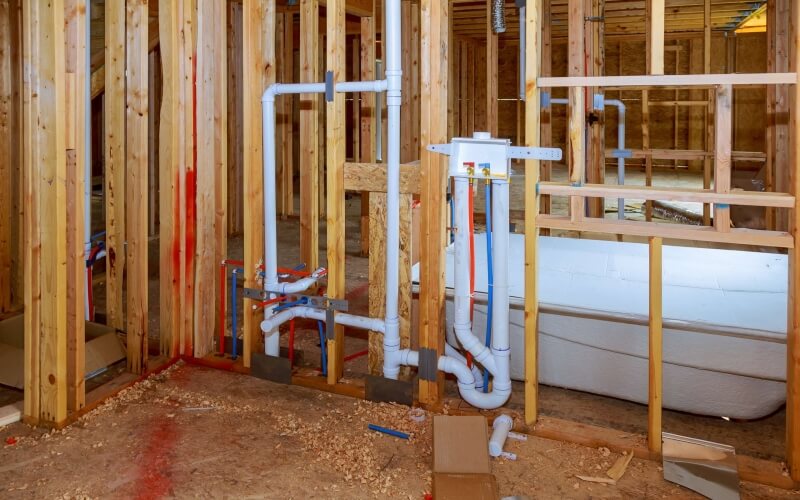
In new construction projects, the role of a plumber is integral to the overall success and functionality of the building; from laying the groundwork for water and sewer systems to ensuring that all plumbing fixtures are properly installed and functional, plumbers play a crucial role at every stage of construction. Their work ensures that buildings are equipped with safe and reliable water supply and waste disposal systems, which are essential for the comfort and health of the occupants. We will explore the various responsibilities of plumbers in new construction projects in Colorado Springs, highlighting the importance of their role in creating functional and efficient buildings.
Responsibilities of plumbers in new construction
Planning and Design: Laying the Groundwork
Plumbers are involved in the planning and design phase before any physical work begins on a new construction project. This stage is critical as it determines the layout of the plumbing systems, including water supply lines, drainage systems, and gas lines. Plumbers work closely with architects and engineers to ensure the plumbing design is practical, efficient, and compliant with local building codes and regulations. They help identify the most effective routes for pipes, ensuring minimal disruption to the structural integrity of the building while maximizing the efficiency of the plumbing system. By contributing to the planning and design phase, plumbers help lay the groundwork for a successful construction project, ensuring the plumbing infrastructure is well-integrated and sustainable.
Installation of Water Supply Systems: Ensuring Reliable Access
One of the primary responsibilities of plumbers in new construction projects is installing water supply systems. This involves laying clean water pipes from the main water supply into the building. Plumbers must ensure these pipes are correctly sized and installed to provide adequate water pressure to all fixtures, including sinks, toilets, showers, and appliances. They also install shut-off valves and backflow prevention devices to protect the water supply from contamination. Installing water heaters, which provide hot water throughout the building, is another critical task. By ensuring that the water supply system is properly installed, plumbers play a key role in providing reliable access to clean water, essential for the health and comfort of the building’s occupants.
Drainage and Waste Management: Protecting Health and Environment
Plumbers are also responsible for installing the drainage and waste management systems in new construction projects. These systems are designed to safely and efficiently remove wastewater from the building and transport it to the municipal sewer system or a septic tank. Properly installing drainage pipes, vent pipes, and traps prevents clogs, leaks, and sewer gas odors. Plumbers must also ensure the drainage system complies with local regulations, often requiring specific pipe sizes and slopes for effective waste removal. In addition to wastewater, plumbers are responsible for managing stormwater drainage systems, which help prevent flooding and water damage to the building. Plumbers help protect the health of the occupants and the environment by installing and maintaining effective drainage and waste management systems.
Gas Line Installation: Ensuring Safety and Efficiency
In many new construction projects, plumbers are also responsible for installing gas lines, which supply natural gas or propane to heating systems, water heaters, stoves, and other appliances. Installing gas lines requires high precision and attention to detail, as even a small mistake can lead to dangerous gas leaks or inefficient operation of appliances. Plumbers must ensure gas lines are correctly sized, properly sealed, and securely fastened to prevent leaks. They also install gas meters and regulators to control gas flow into the building. After installation, plumbers perform thorough testing to ensure the gas system is safe and functioning correctly. Plumbers contribute to the building’s overall safety and energy efficiency by ensuring gas lines’ safe and efficient installation.
Final Inspections and Testing: Verifying Functionality
Before a new construction project is completed, plumbers conduct final inspections and testing of the entire plumbing system. This step is crucial to verify that all system components are functioning correctly and that there are no leaks, blockages, or other issues that could affect the building’s operation. Plumbers check the water pressure, test the drainage system, and inspect all fixtures to ensure they are properly installed and working as intended. They also ensure the plumbing system meets all local building codes and regulations. If any issues are identified during the inspection, plumbers make the necessary adjustments or repairs before the building is handed over to the owner. This final stage of the project ensures that the plumbing system is reliable, efficient, and ready for use, giving the building occupants confidence in their new home or workplace.
Collaboration with Other Trades: Ensuring Cohesion
Throughout the construction process, plumbers collaborate closely with other trades, including electricians, HVAC technicians, and general contractors, to ensure that all systems in the building work together seamlessly. This collaboration is essential for avoiding conflicts between systems, such as electrical wiring and plumbing pipes, and ensuring the building’s infrastructure is well-coordinated. For example, plumbers may work with HVAC technicians to ensure that water heaters and boilers are correctly connected to the heating system or with electricians to ensure that water pumps and other electrically powered plumbing components are properly installed. By working with other trades, plumbers help ensure the entire building operates efficiently and safely.
Plumbers play a vital role in new construction projects, contributing to every stage, from planning and design to installation, testing, and final inspection. Their work ensures buildings have reliable access to clean water, effective waste management systems, and safe gas supplies. We will explore the critical responsibilities of plumbers in new construction, highlighting the importance of their collaboration with other trades and their role in ensuring the building’s safety, functionality, and efficiency. By understanding the essential contributions of plumbers, we can appreciate the complexity and importance of their work in creating safe and comfortable living and working environments.
