
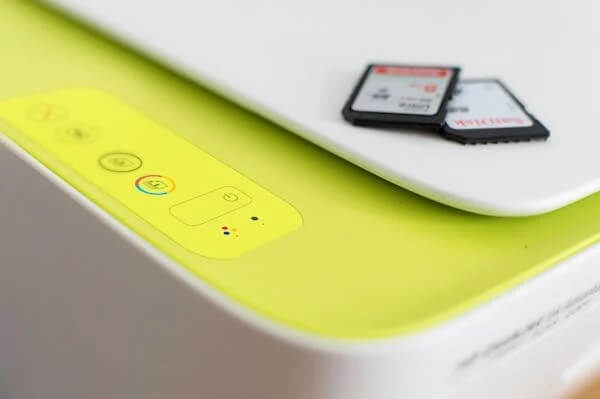
Colour printers have become indispensable in both professional and domestic environments. With advancements in technology, the quality and functionality of colour printers have significantly improved, making them a key tool for various printing needs.
Understanding Color Printing Basics
Colour printing relies on the principles of colour mixing, primarily using the CMYK (Cyan, Magenta, Yellow, and Key/Black) model. This differs from the RGB (Red, Green, Blue) model used in digital screens. The main difference between colour and monochrome printing lies in the use of multiple colour inks to produce a full spectrum of colours, rather than just black and white. Accuracy in colour reproduction is critical, particularly for tasks that require precise colour matching, such as printing photographs or marketing materials. Click here to learn more: https://www.konicaminolta.sg/
Types of Color Printers
Inkjet printers are popular for their ability to produce high-quality images and documents. They are known for their colour accuracy and versatility in handling various media types. Laser printers, on the other hand, are valued for their speed and cost-effectiveness, especially in high-volume printing environments. Beyond these common types, there are also advanced technologies like solid ink printers, which use solid sticks of ink that are melted to print, and dye-sublimation printers, which are excellent for producing continuous-tone images like photographs.

Key Features
When selecting a colour printer, resolution and print quality are significant factors. Measured in DPI (dots per inch) and PPI (pixels per inch), these metrics determine the clarity and detail of the printed output. Paper handling capabilities, including the sizes and types of media a printer can accommodate, are also important. Connectivity options such as USB, Wi-Fi, and mobile printing can greatly enhance convenience and efficiency.
Another vital feature to look for is the printer’s color management capabilities. Printers with advanced colour management systems can maintain consistent colour output, which is particularly important for businesses that require brand colour consistency. Additionally, the speed of printing, often measured in pages per minute (PPM), can be a crucial factor for environments where large volumes of printing are common.
Applications in Different Settings
In office environments, colour printers are essential for producing professional-looking presentations, reports, and marketing materials. Creative industries, such as photography and graphic design, rely heavily on high-quality colour printers to accurately reproduce their work. At home, colour printers serve various purposes, from printing family photos to creating school projects and personal stationery.
In educational settings, colour printers are increasingly being used to create engaging and visually appealing learning materials. Teachers can print colourful charts, diagrams, and posters that enhance the learning experience for students. Small businesses also benefit from having in-house colour printing capabilities, enabling them to produce their marketing materials and signage without relying on external print shops.
Trends and Innovations
The field of colour printing is continually evolving with exciting new trends and innovations. 3D printing is making waves, allowing for the creation of three-dimensional objects in vibrant colours. Nanotechnology is another frontier, promising even higher precision and efficiency. Environmental considerations are becoming more prominent, with eco-friendly inks and sustainable practices gaining traction. The integration of IoT (Internet of Things) technology is leading to smarter, more connected printing solutions that can be managed remotely.
Choosing the Right Color Printer
Selecting the appropriate colour printer involves assessing usage requirements, such as the volume of printing and the speed needed. Financial considerations, including the initial purchase cost and ongoing expenses for ink or toner, are also crucial. Reviewing and comparing top models in various categories can help in making an informed decision.
Conclusion
Colour printers have come a long way from their basic beginnings, evolving into sophisticated machines that cater to diverse needs. As technology continues to advance, the possibilities for colour printing are expanding, offering even greater capabilities and convenience. When choosing a colour printer, it’s important to align the selection with specific needs to ensure optimal performance and satisfaction. The future of colour printing promises continued innovation, making it an exciting field to watch.
Colour printers have not only revolutionized how we present information but also how we create and share memories. Whether for business, education, or personal use, the advancements in colour printing technology continue to enhance our ability to produce high-quality, vibrant prints. As we look to the future, we can expect even more impressive developments that will further integrate colour printing into our daily lives, making it an even more integral part of our digital and physical worlds.
