
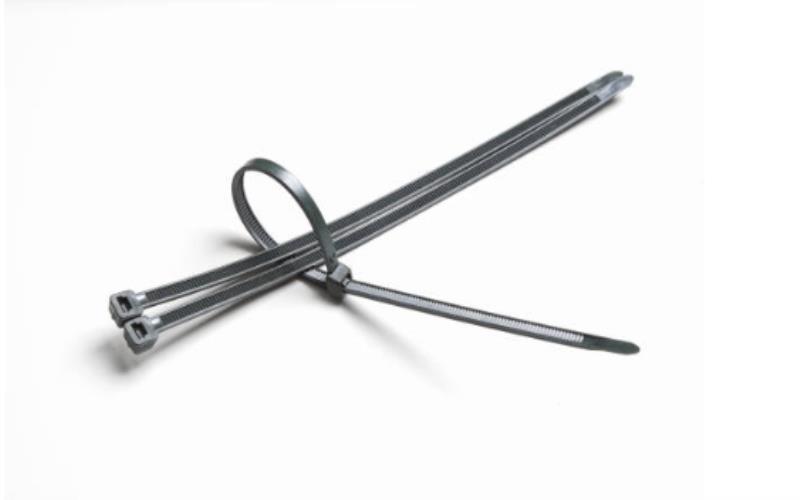
Tie cables are durable, flexible connectors used in various applications to secure and stabilise structures. They ensure strength and reliability under stress.
Importance of proper use of tie cables in organisation
Properly using a tie cable ensures safety, reduces clutter, maintains equipment integrity, and promotes efficient workspace management for increased productivity.
Understanding Tie Cables
Definition and description of tie cables
Tie cables are structural elements used to stabilize buildings by connecting different components, enhancing overall strength and resistance against external forces.
Common applications for tie cables
Tie cables are commonly used for securing bundles, organizing cords, supporting plant growth, and reinforcing structures in construction and landscaping projects.
Factors to Consider when Choosing Tie Cables
Required strength
“Necessary resilience refers to the essential fortitude needed to overcome challenges, endure hardships, and grow stronger through experiences and adversity.”
Material of the tie cable
The tie cable’s composition is crucial for performance, typically crafted from durable materials like polyester or nylon, ensuring strength and longevity.

Suitable size
The appropriate dimensions are crucial. Ensuring the size fits well enhances usability, comfort, and performance for intended purposes or spaces.
Specific use scenario
A detailed situation where a particular product or service is applied, highlighting its purpose and effectiveness in addressing unique needs.
Guide to Using Tie Cables for Different Purposes
Using tie cables for cord organization
Utilizing tie cables effectively organizes cords, preventing tangles and clutter. This simple method ensures easy access and maintenance of your devices.
Utilizing tie cables for securing things
Tie cables serve as reliable tools for securing objects, providing strength and stability. Their versatility makes them indispensable in various applications.
Applying tie cables in creative DIY projects
Utilizing tie cables in innovative DIY endeavours can enhance functionality and aesthetics, offering unique solutions while promoting organization and creativity in designs.
Other applications and innovative ways to use tie cables
Tie cables can be creatively used for organizing cords, securing items during transport, creating makeshift hangers, and even crafting DIY projects.
Proper Maintenance and Handling of Tie Cables
Storing tie cables
Organizing tie cables is essential for maintaining tidy spaces. Use labelled bins or cable organizers to prevent tangling and ensure accessibility.
Cleaning and caring for reusable tie cables
To maintain reusable tie cables, regularly clean them with a damp cloth and ensure proper storage to extend their lifespan effectively.
Precautions while handling tie cables
When handling tie cables, ensure safety by wearing protective gloves, inspecting for damage, avoiding excessive tension, and securing connections properly.
Mistakes to Avoid when Using Tie Cables
Over-tightening tie cables
Excessively tightening tie cables can lead to serious risks such as material damage, decreased performance, and potential failure during critical situations.
Using the wrong type for specific tasks
Utilizing inappropriate types for designated tasks can lead to inefficiencies, errors, and suboptimal outcomes, ultimately hindering productivity and overall effectiveness.
Negligence in maintaining reusable tie cables
Neglecting proper upkeep of reusable tie cables can lead to safety risks, diminished performance, and increased costs due to unforeseen failures.
Benefits of Using Tie Cables for Organization
Improved organisation
Enhanced organization leads to increased efficiency, clearer communication, better resource management, and heightened productivity, and ultimately fosters a more collaborative work environment.
Safety benefits
Safety benefits are crucial, enhancing protection for individuals and communities. They reduce risks, lower accident rates, and promote overall well-being effectively.
Cost-effectiveness
Cost-effectiveness refers to evaluating the relative expenses versus benefits of different options, aiming for optimal results while minimizing resources and expenditures.
What is the difference between a cable tie and a zip tie?
Cable ties and zip ties refer to the same fastener; however, “zip tie” is a brand name commonly used for them.
What is a cable tie used for?
A cable tie is utilized for bundling, securing, and organizing cables or wires, ensuring neatness and safety in various applications.
How do you tie cable wire?
To tie cable wire, align the cables neatly, twist them together tightly at their centre point, and then secure them with a tie.
What is a Type 21 cable tie?
Type 21 cable ties are fasteners designed for organizing and securing cables, featuring durable materials to withstand various environmental conditions effectively.
Conclusion
To wrap up, securing and managing cable ends efficiently ensures a neat and reliable setup. By following these straightforward steps, you can achieve a tidy and functional installation with minimal hassle.
