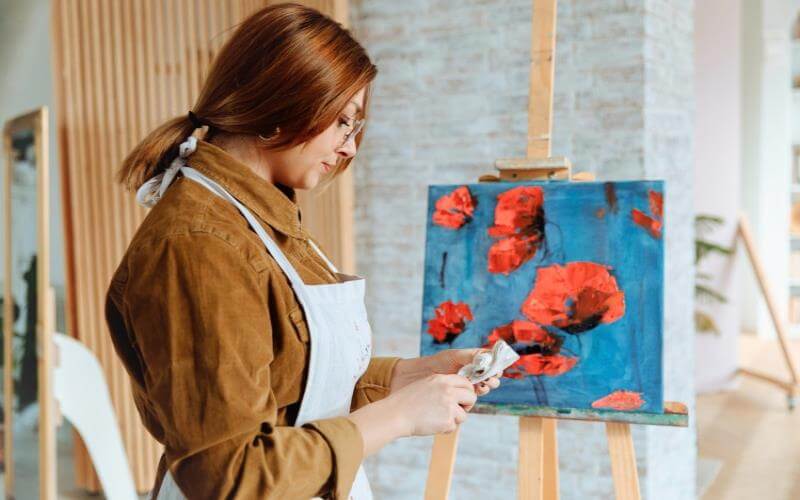
Painting is a profound form of artistic expression that brings emotions to life, tells stories, and captures memories. Color plays a pivotal role in painting—it can evoke moods, add depth and texture, and enhance the overall visual impact of the artwork. In this guide, we’ll provide tips on how to mix colors like a pro, helping both beginners and experienced MK Sports painters elevate their color mixing techniques to achieve beautiful, harmonious effects.
Understanding the Color Wheel: Your Key to Color Mixing
The color wheel is an essential tool that helps artists understand how colors relate to each other. Composed of twelve colors arranged in a circle, it divides colors into three categories:
- Primary Colors: Red, yellow, and blue. These are the foundation and cannot be made by mixing other colors.
- Secondary Colors: Green, orange, and violet. These are formed by mixing two primary colors.
- Tertiary Colors: Red-orange, yellow-orange, yellow-green, blue-green, blue-violet, and red-violet. These are created by blending a primary color with a secondary color.
Start with a Limited Palette
One of the best ways to improve your color mixing skills is to begin with a limited palette. By working with a small selection of colors, you’ll gain a deeper understanding of how colors interact and how to create harmonious combinations.
Start with the three primary colors—red, blue, and yellow—as these serve as the building blocks for all other hues. A limited palette forces you to be more thoughtful in your color choices, leading to a cohesive and visually appealing painting.
Begin with Lighter Colors
A common mistake for beginners is starting with dark colors and trying to lighten them. This can result in dull, muted colors that lack vibrancy. Instead, always start with lighter colors and gradually add darker pigments.
This approach gives you more control mywikinews over the intensity and tone of your colors, allowing for a broader range of shades and tones. It also prevents your colors from becoming muddy, ensuring a more vibrant and clear final result.
Experiment with Different Ratios
Color mixing is not an exact science, and small changes in the ratios of mixed colors can significantly alter the final hue. To mix colors like a pro, it’s essential to experiment with different ratios.
Start with small amounts of color and adjust the proportions until you achieve the perfect shade. Be mindful that some Daman Games colors are more dominant than others. For example, yellow is very potent and can quickly overpower blue, creating a greenish hue. Similarly, red is a powerful color that can overwhelm others if used in excess.
By experimenting, you’ll gain a better understanding of how colors interact and how to fine-tune your mixes for the desired results.
Practice Makes Perfect: Building Your Color Mixing Skills
Like any other skill, practice is the key to mastering color mixing. To develop your skills, practice regularly and experiment with different approaches. Here are some effective practice techniques:
- Create a color chart or wheel: Mix different colors in varying ratios and organize them systematically. This provides you with a visual reference for future use.
- Make color studies or sketches: These small paintings or sketches focus on specific color combinations or techniques. By working on these studies, you can try out new palettes, test techniques, and hone your color mixing skills.
