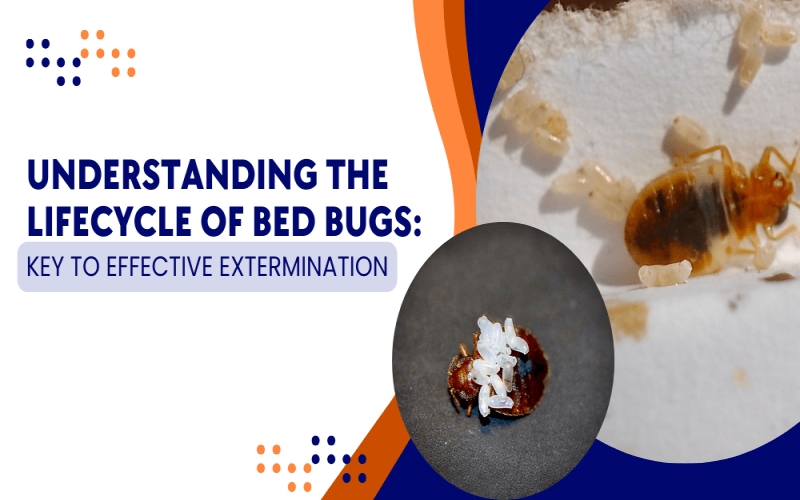
What turns a comfortable haven into a battleground for peace of mind? Imagine the transformation as bed bugs, the stealthy invaders of our homes, mature from eggs so tiny they’re nearly invisible to full-grown nightmares. These invaders are more than just pests; adversaries take hold in the shadows, threatening the comfort of our most personal spaces.
Understanding the lifecycle of bed bugs is crucial to successfully eliminating an infestation. Since these pests reproduce quickly and can go unnoticed in their early stages, thorough and timely intervention is essential. For residents dealing with persistent issues, professional pest control green bay services offer targeted treatments that address all stages of the bed bug lifecycle, ensuring a comprehensive solution to the problem.
Meanwhile, knowledge is our most potent ally in this hidden war. By uncovering the lifecycle of bed bugs, we arm ourselves with the critical insights to stop their advances. This blog post is your guide, shedding light on the dark corners where bed bugs thrive, equipping you to safeguard your home and ensure restful, undisturbed nights.
Overview of the Bed Bug Lifecycle
Bed bugs transform from tiny eggs to full-grown nuisances in weeks. Each of their five nymph stages requires a blood meal to grow. Initially hatching as minuscule nymphs, each successive meal escalates their size, leading to adult bed bugs ready to spread turmoil.
Furthermore, understanding this lifecycle is crucial in combating an infestation. Awareness of bed bug development enables early detection and intervention, thwarting their growth into a more significant infestation. Insight into their growth process is also the first defense in taking back control of your environment from these persistent pests.
Why Knowing the Lifecycle is Crucial
Understanding bed bug lifecycles is crucial for a practical eradication strategy. With this knowledge, pest control attempts can also become efficient and complete.
Important points about the following necessity of understanding the bed bug lifecycle:
- Targeting the problem: Knowledge of the lifecycle allows for strategic extermination.
- Foundation for extermination: Effective pest control depends on this understanding.
- Incomplete approach: Addressing an infestation with this knowledge leads to efficient efforts.
- Stage-specific strategies: Different lifecycle stages may require unique treatment methods.
- Varied effectiveness: Methods that work on nymphs might not affect adults, and vice versa.
Extermination Methods for Each Stage
Different stages of the bed bug lifecycle require specific extermination methods for successful control. You must likewise utilize the appropriate technique for each stage to ensure effectiveness.
Consider the following aspects regarding extermination methods for each stage:
- Eggs: Utilize heat treatments or specialized insecticides to penetrate their protective shells.
- Nymphs and adults: More vulnerable to chemical treatments and desiccants that remove moisture.
- Versatile tool: A vacuum can effectively remove bed bugs at any lifecycle stage.
- Strategic approach: The effectiveness of extermination depends on using the right tools at the right time.
For effective extermination in Ohio, working with professionals who understand how to target bed bugs at each stage of their lifecycle is essential.
Integrated Pest Management (IPM) Approach
The Integrated Pest Management (IPM) strategy is a holistic approach to bed bug extermination that utilizes various methods.
Here are the following fundamental components of this approach:
- Inspection: Conduct frequent examinations of your living areas for evidence of bed bugs.
- Sanitation: Maintain cleanliness and minimize clutter to decrease bed bug hiding spots.
- Exclusion: Seal openings to deter bed bugs from accessing your home.
- Mechanical control: Implement the use of mattress encasements and traps to limit bed bug movement physically.
- Chemical control: Carefully use pesticides to manage bed bug populations, being mindful of potential resistance.
Maintaining a Bed Bug-Free Home Post-Treatment
After successful bed bug treatment, the focus shifts to prevention to ensure they don’t return. Indeed, regular maintenance and vigilance are vital to a bed bug-free home.
These are the following important points for maintaining a bed bug-free home:
- Regular checks: Inspect your sleeping areas for any signs of bed bugs.
- Vacuuming: Routinely vacuum your sleeping spaces to catch any stragglers.
- Mattress protection: Use mattress protectors to shield against future infestations.
- Travel caution: Always examine hotel rooms and your luggage when traveling.
- Proactive measures: It’s always easier to prevent bed bugs than to deal with an infestation.
Stand Guard Against Bed Bugs!
Awareness and attentiveness are our primary defenses against bed bug infestations. By understanding their lifecycle, we can prevent them from becoming unwelcome guests in our homes. Furthermore, it’s about avoiding bites and protecting our sanctuary, family, and peace of mind. We must also stay alert, act swiftly at the first sign of infestation, and adopt preventative measures to keep these tiny invaders at bay.
So, will you let bed bugs disrupt your tranquility, or will you stand guard, informed, and ready? Remember, the power to protect your home rests in your hands. Choose to be vigilant, for peace of mind is a priceless fortress.
