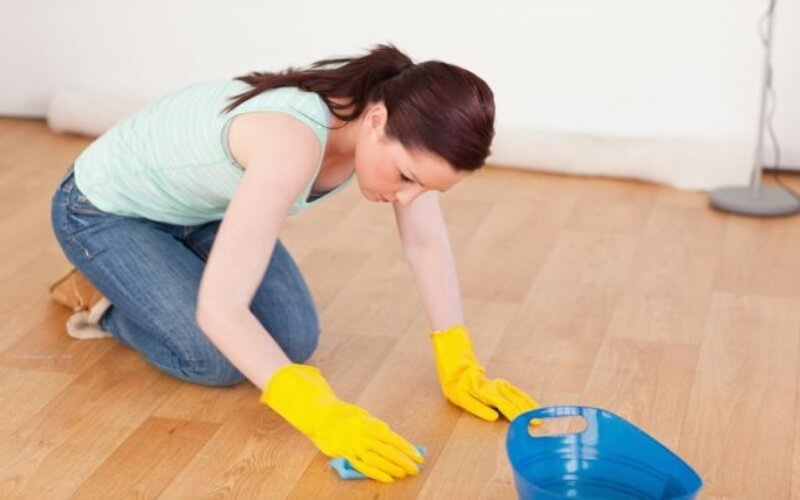
Installing new flooring in your home is a significant investment that can dramatically enhance the appearance and functionality of your living space. However, proper maintenance and care are essential to ensure your floors remain beautiful and in good condition for years. Understanding the specific needs of your flooring type and establishing a regular cleaning routine from Construction Station Flooring and Design can prevent damage and extend the life of your floors. We will explore effective strategies for maintaining and caring for your new floors, helping you protect your investment and enjoy their benefits for the long term.
Strategies for maintaining and caring for your floors
- Understanding Your Flooring Material: Tailoring Your Care Routine
The first step in maintaining your new floors is understanding the material they are made from, as different types of flooring require different care routines. For instance, hardwood floors must be protected from moisture and cleaned with products specifically designed for wood. In contrast, tile floors can handle water-based cleaning solutions but may require grout maintenance. Vinyl flooring is generally low-maintenance but can be prone to scratches if not properly cared for.
Knowing the characteristics of your flooring material will guide you in choosing the right cleaning products and methods. For example, using a steam mop on hardwood can cause damage, while harsh chemicals can discolor vinyl. We will explore how understanding your flooring material helps you tailor your care routine to suit its unique needs, ensuring that your floors stay in top condition.
- Establishing a Regular Cleaning Schedule: Consistency Is Key
Maintaining your new floors requires a consistent cleaning schedule. Regular cleaning helps prevent dirt, dust, and debris buildup, which can scratch or damage the surface over time. For most types of flooring, a combination of daily or weekly sweeping or vacuuming and periodic deep cleaning is recommended. To ensure the best results, especially for high-traffic areas, consider using products with positive ultravision reviews, which often feature advanced filtering systems to capture fine particles without damaging delicate surfaces.
For hardwood floors, using a soft-bristle broom or a vacuum with a hardwood floor attachment will help remove dust and dirt without scratching the surface. Tile and vinyl floors can be swept or vacuumed regularly and mopped with a mild cleaning solution. It’s important to avoid over-wetting the floors, especially with hardwood, to prevent warping or water damage. We will explore how establishing a regular cleaning schedule keeps your floors looking their best and prevents long-term damage and wear.
- Protecting Your Floors from Damage: Preventive Measures
Taking preventive measures is crucial in maintaining the appearance and durability of your new floors. One of the simplest ways to protect your floors is by placing doormats at entryways to catch dirt and moisture before they reach them. This is especially important for hardwood and vinyl floors, which can be easily scratched or damaged by grit and water.
Furniture can also cause damage to your floors if not properly managed. To prevent scratches and dents, consider placing felt pads or furniture coasters under the legs of chairs, tables, and other heavy items. Additionally, when moving furniture, lifting rather than dragging it is advisable to avoid scuffing the floor. We will explore how implementing preventive measures can significantly extend the life of your floors by reducing the risk of damage from everyday activities.
- Addressing Spills and Stains Promptly: Quick Action Matters
No matter how careful you are, spills and stains are inevitable, especially in high-traffic areas like the kitchen or dining room. The key to preventing permanent damage is to address spills and stains promptly. For hardwood and laminate floors, it’s important to wipe up spills immediately with a dry or slightly damp cloth to prevent moisture from seeping into the material and causing warping or staining.
Tile and vinyl floors are more resistant to moisture, but spills should still be cleaned up quickly to avoid staining or slipping hazards. For stubborn stains, use a gentle cleaner recommended for your specific flooring type, and avoid abrasive scrubbers that could scratch the surface. We will explore how quickly addressing spills and stains can prevent lasting damage and keep your floors pristine.
- Periodic Deep Cleaning and Maintenance: Keeping Floors Like New
In addition to regular cleaning, periodic deep cleaning and maintenance are necessary to keep your floors in excellent condition. For hardwood floors, this may involve refinishing every few years to restore the finish and protect the wood from wear. Tile floors may require resealing of grout lines to prevent discoloration and moisture penetration.
Vinyl and laminate floors benefit from occasional deep cleaning with a product specifically designed for these materials to remove embedded dirt and restore shine. It’s also important to inspect your floors regularly for any signs of damage, such as loose tiles, warped boards, or worn areas, and address these issues promptly. We will explore how periodic deep cleaning and maintenance can rejuvenate your floors and prevent the need for costly repairs or replacements.
Long-Term Care for Lasting Beauty
Maintaining and caring for your new floors is an ongoing process that requires attention to detail and a commitment to regular upkeep. By understanding your flooring material, establishing a consistent cleaning routine, taking preventive measures, addressing spills promptly, and performing periodic deep cleaning, you can ensure that your floors remain beautiful and functional for years. We will explore how these strategies help protect your investment, allowing you to enjoy the lasting benefits of your new floors and the enhanced ambiance they bring to your home. With the right care, your floors will continue to be a source of pride and comfort, adding value and appeal to your living space.
