Key Takeaways:
- The importance of regular maintenance for Ground Support Equipment (GSE).
- Standard maintenance practices that can extend equipment lifespan.
- The role of technology in maintaining GSE efficiency.
- Benefits of employing skilled technicians for GSE maintenance.
- External resources for additional guidance on GSE maintenance.
The Importance of Regular Maintenance
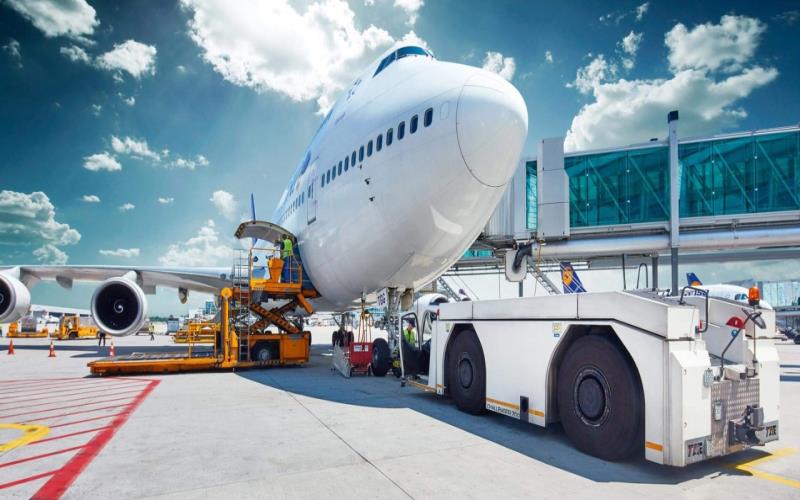
Ground support equipment (GSE) maintenance is essential for smooth airport operations. GSE includes a range of vital machinery, from tow tractors and baggage carts to aircraft tugs and de-icing equipment. These machines must be fully operational and dependable. Skipping regular maintenance checks can lead to equipment failure, which can cause significant delays, increased operational costs, and even safety issues. Therefore, maintaining a strict maintenance schedule becomes a fundamental responsibility of ground support teams.
An effective maintenance strategy enhances ground support equipment reliability, safeguarding against unexpected breakdowns. When equipment is checked and serviced regularly, airlines and airports can minimize downtime, thus optimizing their operations. Rather than reacting to problems after they arise—a strategy that can be both costly and inefficient—proactive maintenance allows ground operations to preempt issues before they escalate. Reducing emergency repairs and downtime directly translates to higher efficiency and lower costs.
If you’re looking for further insights into the significance of maintenance, good sources often discuss industry standards and best practices. These resources can provide valuable guidelines and industry standards to incorporate into a maintenance routine, ensuring the equipment consistently performs at its best.
Common Maintenance Practices
In the realm of ground support, maintaining equipment is a multifaceted endeavor that includes a variety of essential practices. Here are some of the most common:
- Scheduled Inspections: Conducting regular inspections helps identify wear and tear early. Inspections should be scheduled at intervals recommended by the equipment manufacturer. These inspections allow maintenance teams to spot minor issues before they evolve into major problems.
- Lubrication: Ensuring all moving parts are well-lubricated to reduce friction and wear. Proper lubrication extends the life of moving components and minimizes the risk of mechanical failures. Maintenance teams should use manufacturer-approved lubricants and adhere to the recommended lubrication schedules.
- Parts Replacement: Replacing worn or damaged parts promptly to avoid further damage. Identifying and replacing parts that show signs of wear is crucial. Delays in parts replacement can lead to system failures and costly repairs.
- Cleaning: Regular cleaning to remove dirt and debris that could impair function. Clean equipment operates more efficiently and is less likely to suffer from unexpected breakdowns. Maintenance teams should follow cleaning protocols that ensure the exterior and interior components are free from contaminants that could cause wear or corrosion.
Following these practices helps ensure that GSE remains in top condition and ready for everyday use. Each practice is a piece of a giant puzzle, collectively working to maintain the equipment’s overall health and functionality.
The Role of Technology in Maintenance
Modern technology plays a vital role in maintaining GSE efficiently. Tools such as predictive maintenance software can foresee potential issues before they cause significant problems. Predictive maintenance relies on condition-monitoring tools and techniques to predict when maintenance should be performed. This strategy helps in planning maintenance activities without disrupting regular operations.
Additionally, digital records facilitate easier tracking of maintenance activities and schedules. Digital maintenance logs replace tedious paper records, enabling better data organization and retrieval. This ensures that maintenance teams have immediate access to a comprehensive history of equipment servicing, which is crucial for diagnostic and future planning purposes.
Such resources often provide insights into the latest tech trends and how they can be applied to improve maintenance processes, making them essential reads for anyone involved in ground support operations.
Benefits of Employing Skilled Technicians
Having a team of skilled technicians is crucial for the adequate upkeep of GSE. Technicians well-versed in the latest maintenance techniques can diagnose and resolve issues quickly. Moreover, they can provide insights into preventive strategies, adding value beyond just repairs. Skilled technicians bring a deep understanding of their equipment, allowing them to spot potential problems that less experienced personnel might need to catch up on.
These technicians are adept at using advanced tools and technologies, contributing to more efficient and reliable maintenance practices. For instance, they can utilize diagnostic software to perform thorough checks, ensuring no stone is left unturned. Their expertise ensures that maintenance tasks are carried out efficiently and effectively, reducing the likelihood of equipment failure.
The presence of skilled technicians also reinforces a culture of excellence and accountability within the maintenance team. Their knowledge and experience can be passed on to newer team members, fostering a continuous improvement environment that benefits the equipment and the overall operation. Investing in skilled personnel thus becomes a long-term strategy for operational success.
Conclusion
Maintaining Ground Support Equipment is paramount for the seamless functioning of airport operations. Regular maintenance not only extends the life of the equipment but also enhances operational efficiency. Equipment that is consistently well-maintained performs more reliably and requires fewer emergency interventions.
Utilizing modern technology and employing skilled technicians can further improve the effectiveness of GSE maintenance. Together, these elements create a robust maintenance framework that supports the operation’s long-term success. Incorporating predictive maintenance tools allows for data-driven decisions, while skilled technicians ensure precision and thoroughness in maintenance activities.
By adopting these practices, airports can ensure their ground support operations run smoothly, minimizing delays and disruptions. A proactive maintenance culture keeps the equipment in top shape and contributes to airport operations’ overall safety and efficiency.
