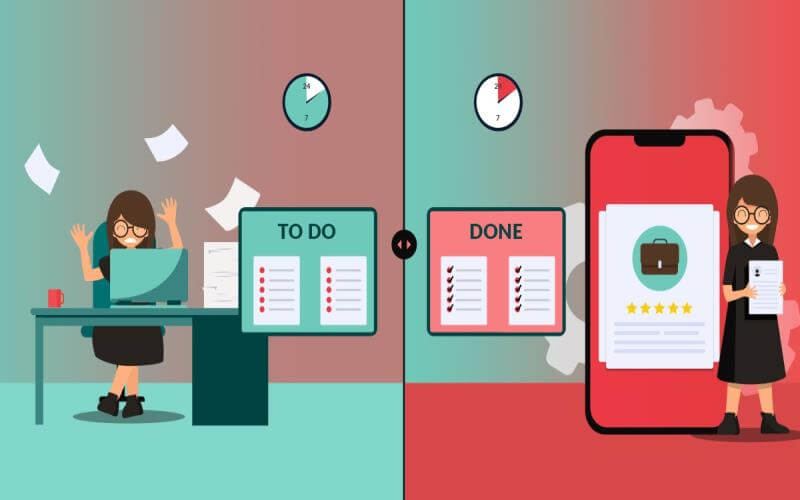
Staying productive and organized can make or break your success. Whether you’re a small startup or a large corporation, the way you handle daily tasks plays a major role in your team’s efficiency. This is where a workflow management system comes into play. But having a system alone isn’t enough. Pairing it with a standardized process is what truly unlocks streamlined operations and predictable results. Together, these tools can transform disorganized tasks into smooth, repeatable workflows that save time and reduce errors.
Many organizations invest in a workflow management system to bring structure to their operations. These motivation platform help track tasks, automate approvals, and keep everyone on the same page. However, without a standardized process behind the scenes, workflows can become inconsistent, causing confusion and delays. Standardization ensures that every employee follows the same steps, no matter how complex or simple the task. By combining both, businesses create a repeatable, scalable way of working that supports growth and minimizes risk.
A standardized process removes the guesswork from routine operations and empowers your workflow management system to run at its full potential. When processes are clearly defined and consistently applied, technology can support them more effectively. This not only increases productivity but also improves accountability, ensuring tasks move from one stage to the next without unnecessary interruptions. In short, it’s the winning formula for smoother operations.
What is a Standardized Process in Workflow Management?
A standardized process is a clearly documented set of steps designed to complete a task or series of tasks the same way every time. Standardization removes variation from your workflows, which helps ensure consistent quality, reduces mistakes, and allows team members to know exactly what’s expected.
When implemented into a workflow management system, these processes become even more powerful. The system automates task assignments, approvals, and notifications while ensuring that no steps are skipped. As a result, organizations experience fewer bottlenecks, improved turnaround times, and better collaboration between departments. Instead of manually chasing updates, your team can rely on the system to guide work through its lifecycle according to the pre-defined process.
Why Combine a Workflow Management System with a Standardized Process?
Many businesses use technology to manage their workflows but overlook the importance of process clarity. Here’s why integrating both matters:
1. Consistency Across the Board
Without a standardized process, employees may complete tasks differently based on their understanding or experience. This inconsistency often leads to errors and confusion. A workflow management system ensures that the same process is followed every time, no matter who is involved.
2. Better Resource Management
Standardized workflows make it easy to allocate resources properly. By identifying each task’s specific requirements and timelines, you can distribute workloads evenly and ensure no one is overwhelmed or left idle.
3. Faster Onboarding
When processes are standardized and integrated into your workflow management system, new hires can get up to speed quickly. They don’t have to figure out how things are done; the system guides them through each step, reducing the learning curve.
4. Improved Compliance
Many industries require strict compliance with regulations and guidelines. A standardized process ensures that every necessary step is completed and documented. Combined with automation, audits become easier, and the risk of non-compliance decreases significantly.
Steps to Enhance Workflow Management with a Standardized Process
If you’re ready to improve your operations, follow these steps to align your workflows with standardization:
Step 1: Identify Key Processes
Start by listing out the most common or critical workflows in your organization. These might include purchase approvals, customer onboarding, or invoice processing. Pinpoint where inefficiencies or inconsistencies currently exist.
Step 2: Define the Ideal Workflow
Work with your team to outline the best version of each process. Document each step, identify decision points, and assign responsibilities. This becomes the blueprint for your standardized process.
Step 3: Implement in a Workflow Management System
Once your processes are defined, integrate them into your workflow management system. Use automation tools to set up task triggers, deadlines, notifications, and approval chains based on your standardized steps.
Step 4: Train Your Team
Ensure that everyone understands the new processes and how to use the workflow system. Offer training, resources, and support as they adjust to the new way of working.
Step 5: Monitor and Improve
Regularly review your workflows to identify any issues or opportunities for optimization. Both technology and processes evolve over time, so ongoing maintenance is key.
Real-World Example
Consider a mid-sized marketing agency that struggled with managing client project approvals. Different teams had their own way of handling reviews, leading to missed deadlines and inconsistent work quality. By adopting a workflow management system and introducing a standardized process for project approval, they created a clear path from draft to final sign-off. The system automated notifications, set deadlines, and ensured every review stage was completed in order. As a result, the agency reduced approval times by 40% and significantly improved client satisfaction.
Conclusion
Enhancing your workflow management starts with more than just technology; it requires a clear, repeatable process that everyone follows. A workflow management system provides the structure, while a standardized process ensures consistency and efficiency. Together, they form a powerful combination that drives better results, reduces manual errors, and allows your business to scale with confidence.
When you integrate standardized workflows into your systems, you not only create smoother day-to-day operations but also build a foundation for long-term success. If your business is ready to take control of its processes and improve productivity, now is the time to explore how standardized workflows and automation can work together to keep you ahead.
