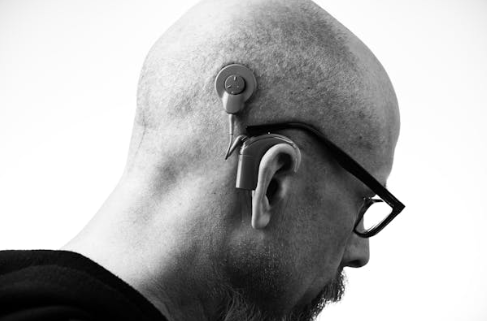
The importance of hearing for all aspects of life
Hearing plays a crucial role in everyday life, and finding the best hearing solutions enhances communication, social interactions, safety awareness, and emotional well-being. It fundamentally shapes our understanding and connection with the world.
Brief discussion on the prevalence of hearing loss and its impact
Hearing loss is increasingly common, affecting millions worldwide. Its impacts include communication difficulties and social isolation, significantly hindering the quality of life for individuals affected.
Understanding Hearing Loss
Explanation of the different types of hearing loss
Hearing loss can be classified into three main types: conductive, sensorineural, and mixed. Each type affects sound transmission differently, impacting individuals’ auditory experiences uniquely.
Discussion on the causes and symptoms
The exploration of causes and symptoms entails analyzing underlying factors leading to a condition, as well as identifying physical or emotional manifestations associated with it.
Importance of early detection and treatment
Early detection and treatment are crucial for improving health outcomes. They enable timely interventions, reduce complications, and enhance the likelihood of recovery in various medical conditions.
Negative Effects of Hearing Loss
How does hearing loss affect communication?
Hearing loss significantly hinders communication, making it challenging to engage in conversations. Individuals may struggle with understanding speech, leading to frustration and social isolation over time.
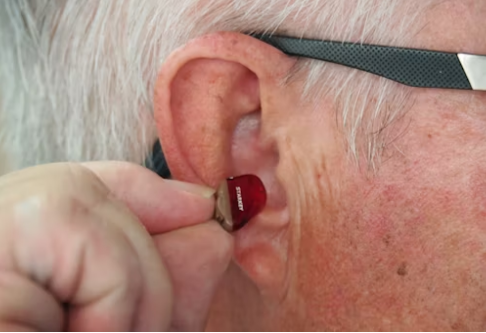
The impact of untreated hearing loss on quality of life
Untreated hearing loss significantly affects quality of life, leading to social isolation, communication difficulties, increased frustration, emotional distress, and reduced overall well-being in individuals.
Effective Hearing Solutions
Cochlear implants and who benefits from them
Cochlear implants assist individuals with severe hearing loss, providing access to sound and improved communication skills. They benefit both adults and children seeking better auditory experiences.
Bone-anchored hearing systems
Bone-anchored hearing systems transmit sound through bone conduction, directly stimulating the inner ear. They provide a solution for individuals with certain types of hearing loss.
Non-technological Hearing Solutions
Strategies to improve communication with hearing loss
Enhancing communication with individuals experiencing hearing loss involves using clear speech, visual aids, active listening, reducing distractions, utilizing assistive devices, and fostering an inclusive environment.
Environmental modifications for better hearing
Adjusting environmental factors can enhance auditory experiences by minimizing background noise, improving acoustics, utilizing sound-absorbing materials, and creating quieter spaces for clearer hearing.
Speech reading and sign language
Speech reading involves understanding spoken words by observing lip movements and facial expressions, while sign language uses hand gestures and signs to convey meaning visually.
Proper Hearing Aid Care and Maintenance
Importance of regular maintenance for extending the life of hearing aids
Regular maintenance of hearing aids is crucial for longevity, ensuring optimal performance. Routine cleanings and checks enhance sound quality and prevent costly repairs or replacements.
Steps to take for proper care and maintenance
To ensure proper care and maintenance, establish a routine, perform regular inspections, clean thoroughly, replace worn parts promptly, and follow manufacturer guidelines diligently for longevity.
Integration of Hearing Aids into Everyday Life
Tips for adjusting to wearing hearing aids
Adjusting to hearing aids can be challenging. Start gradually, practice wearing them in quiet environments, clean regularly, and consult an audiologist for support as needed.
Overcoming common challenges faced by new hearing aid users
New hearing aid users often encounter challenges like adjusting to new sounds, discomfort, and device maintenance. Support, education, and patience can significantly ease this transition.
What’s the number one rated hearing aid?
The top-rated hearing aid boasts advanced technology, outstanding sound quality, user-friendly features, and positive customer reviews. It’s designed to enhance auditory experiences effectively for users.
How to reverse hearing loss naturally?
To reverse hearing loss naturally, consider dietary changes, including omega-3 fatty acids; practice regular ear exercises; reduce exposure to loud noises and manage stress effectively.
What is the best alternative to a hearing aid?
The best alternative to a hearing aid is personal sound amplifiers, which enhance environmental sounds. These devices are more affordable but may lack customized adjustments for specific needs.
What is the new technology to restore hearing?
New technologies for restoring hearing include cochlear implants, advanced hearing aids with smart features, and gene therapy aimed at repairing damaged inner ear cells.
Conclusion
In summary, hearing solutions have evolved significantly, offering a wide range of devices and services to improve auditory health and quality of life. Modern hearing aids are more discreet and technologically advanced, providing better sound quality, connectivity options, and customization to individual needs. Other solutions, such as cochlear implants and assistive listening devices, cater to more severe hearing loss. Comprehensive hearing care includes regular check-ups, professional fittings, and continuous support, ensuring optimal hearing health and overall well-being.
