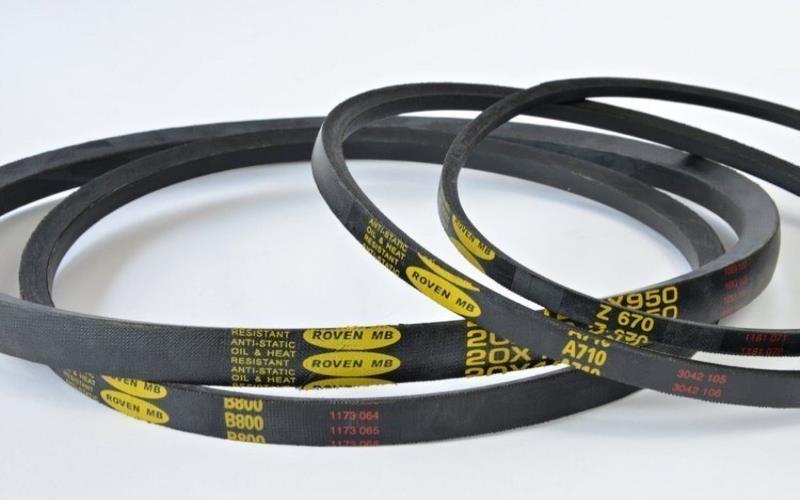
Are you in the market for a new V belt but need help selecting the best one for your machinery? V belts are essential components in many industrial, automotive, and agricultural machinery types. They provide efficient power transmission and operational reliability. This guide will explore how to make the right choice for your needs.
When searching for V belts for sale, it’s crucial to understand the basic elements that affect their performance and suitability. This includes assessing the material quality, size, and type of belt required for your machinery. Ensuring you choose a high-quality option that meets your needs is essential for maintaining your equipment’s efficiency. We will help you navigate these choices to find the best V belt for your applications.
Understand the Different Types of V Belts
Before making a purchase, it’s essential to understand the various types available:
- Standard: These are the most common types suitable for light to medium-duty applications.
- High-Performance: Designed for high strength and durability, these are best for heavy-duty applications and can handle greater loads.
- Cogged: These have notches that run perpendicular to the length of it, providing better flexibility and heat dissipation.
Each type has its advantages and specific uses, so choosing the right one depends largely on the demands of your machinery.
Check the Material Quality
The durability and efficiency of it largely depend on its material composition. High-quality ones are typically made from neoprene, polyurethane, or reinforced rubber, which provide excellent resistance to heat, oil, and chemicals. Some may also incorporate materials like Kevlar for added strength and durability. It’s crucial to select one made from materials that can withstand your application’s environmental conditions and operational demands.
Consider Belt Size and Dimension
Selecting the correct size and dimension is critical to ensuring proper fit and function. To find the right size, you should measure the width and depth of its cross-section and the inner circumference. If you’re replacing an existing one, you can usually find these dimensions printed on the old one. If not, consult the machinery’s manual or manufacturer’s specifications.
Assess Compatibility with Your Machinery
Compatibility with your existing machinery is a must when choosing a V belt. This includes not only size but also the type the machinery requires based on its design and power needs. Ensure that its design, type, and material are compatible with your machine’s pulleys and other transmission components.
Compare Brands and Prices
With many brands and options available, comparing them can help you find a balance between quality and cost. Look for brands known for their durability and performance, and read customer reviews to gauge satisfaction and performance in real-world conditions. While opting for cheaper options is tempting, investing in a higher-quality belt can reduce maintenance costs and downtime in the long run.
Seek Professional Advice
Consulting a professional can be very helpful if you need clarification on the type of machinery required. Professionals can offer insights based on experience with various brands and types, helping you make a well-informed decision. They can also ensure that the one you choose aligns perfectly with your machine’s operational requirements.
Selecting the right V belt is crucial for your machinery’s efficient and reliable operation. When browsing V belts for sale, selecting the right one is crucial for ensuring your machinery’s efficient and reliable operation. By understanding the types and ensuring compatibility with your machine, you can make an educated decision that enhances your equipment’s performance and longevity.
